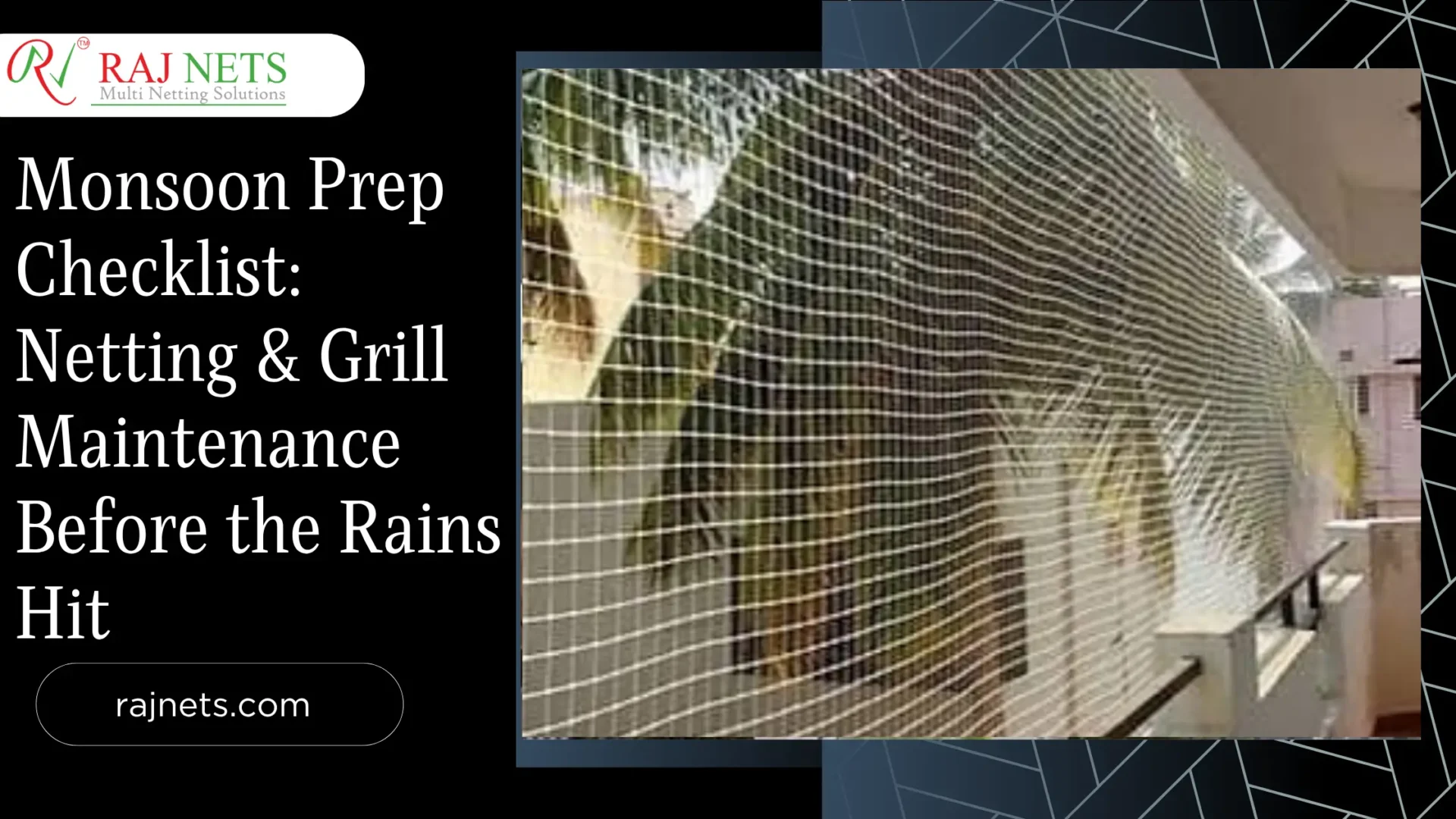
Heavy rain, humidity and winds – Mumbai’s monsoon can wreak havoc on every external installation around your home. Mosquito nets, bird nets, invisible grills and sports nets bear the brunt of it all with minimal notice. It’s easy to forget about how much they endure until something unexpectedly breaks half-way through monsoon! Prevent mid- rains repairs/nervousness about pigeons coming back into mosquitoes entering your home/safety worries when you least want them with just a little bit of prep work before the season begins. Use this practical list to ensure all your installations are Monsoon Ready.
Why Mumbai Monsoon Is Uniquely Tough on Installations
The Mumbai monsoon season differs from other dry climates by having all 3 stresses at once: prolonged exposure to high humidity (increasing corrosion rates), directional rain falling at increased velocity due to high speed onshore winds, and accelerated dust-to-grime coverage of any screen or wire portion. Put simply, something that has functioned acceptably for months can quickly fail when the monsoon arrives. That’s why preventive maintenance is better than waiting for a failure to occur.
1. Mosquito Nets
- Thoroughly wash all mesh to get rid of accumulated dust, because dust tends to settle on the mesh and create a layer of grime when mixed with moisture from the first rains.
- Inspect for tiny holes or cracks at seams – remember that even the smallest of openings will allow mosquitoes to pass through, and holes at the seams are the most common problem.
- Apply silicone spray to tracks/windows and rollers if your net has any, as accumulated humidity during the monsoon can cause them to stick/jam.
- Check that window frames are flush with the window’s edge – gaps can become larger due to wood/metal window frames expanding ever so slightly with humidity.
- Check that mesh is taught and not loose, as slackness in the mesh can allow mosquitoes enter through gaps which would otherwise be covered by a taught net.
2. Bird Nets
- Look for loose knots/fraying first at anchor points that catch the wind, as these are likely failure points when stressed by constant monsoon winds gusts.
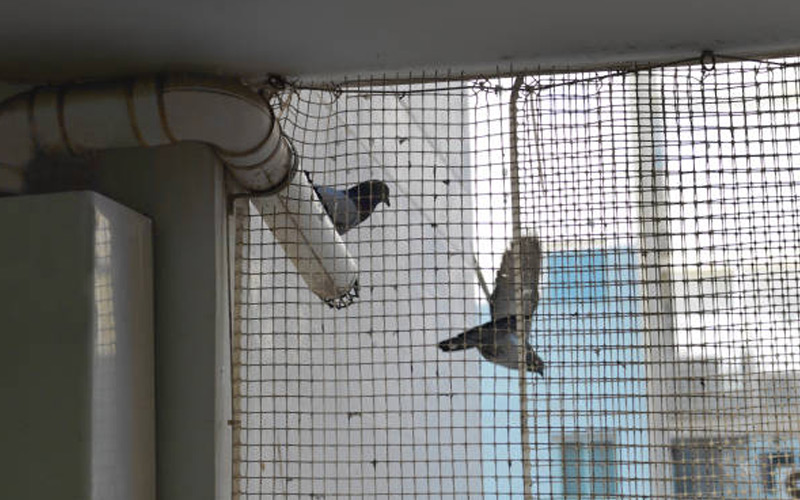
- Look for any nesting pigeons. They often start nests behind/under the net before the monsoon season hits, and water getting caught in nests can cause a lot of weight.
- Remove leaves/debris/droppings caught in the net before the rain catches it all and puts weight on already weakened areas.
- Ensuring anchor hooks/clips did not rust/loosen as rusted hardware is the number one reason bird net fails during storms.
3. Invisible Grills
- Tug on wires and make sure that they are not loosening up – Over time the wires can loosen up slightly due to humidity and temperature changes even if there are no visible signs of damage.
- Check wall anchor points for visible loosening or fine cracks as these can become severely enlarged once the monsoon moisture works its way into the wall structure.
- Clean wires of any dust debris that can cause corrosion to start when mixed with humidity and rain during the monsoon.
- Double check that all wires are equally spaced with no obvious sagging as even a little slack can reduce the integrity of your safety fence.
4. Sports Nets
- Look for stitches that may have become weak or threads that have started to unravel, particularly if you have bird nets that are kept outside all year round and go through many cycles of sun and rain.
- Check your poles and anchoring systems to make sure they are still sturdy. Ground level stake-in nets can sometimes be pushed up by soil washed away during heavy rains from previous storms.
- If your nets are in an area that is completely exposed to the elements (no cover at all), you might want to cover them up or take them down prior to extremely heavy storms to prevent unnecessary damage.
5. General Home Checks That Complement Netting
- Make sure window sills and balcony drains are free of debris so that water doesn’t pool near your net frames. After all, stagnant water is one of the quickest ways to speed up frame corrosion.
- Ensure window frames themselves are also sealed properly. Leaks around frames can impact your nets and grills over time even if the actual net or grill isn’t damaged.
- Mark any installations you notice looking worn during your walkthrough – it’s always easier (and cheaper) to schedule an inspection ahead of monsoon rather than call for an emergency repair during one.
Building a Simple Monsoon Prep Schedule
- 6–8 weeks prior to monsoon: Complete inspection of all installations during deep cleaning.
- 2–3 weeks prior to monsoon: Double check on notes/items listed during initial inspection that may need professional repairs, and schedule those.
- Mid-season: Brief visual inspections after any significant storms.
- End of season: Final inspection to note anything that may need repair before next dry season, so scheduling can be done without pressure.
Why Pre-Monsoon Checks Matter So Much
The majority of netting/grill problems that end up becoming larger, more expensive jobs were initially very small problems that go unnoticed – a wire comes loose, little rip on the mesh, one hook becomes rusted, a stitching thread begins to unravel. You stop these larger issues from occurring before the rainy season by preventing pigeons from entering your balconies, mosquitoes from entering your bedrooms and eliminating safety hazards during peak season. The rainiest and peak-use season is when your family is spending more time indoors and utilizing these installations daily.
FAQs (Frequently Asked Questions)
Q1: When should I do my monsoon prep check?
Ideally in May, roughly six to eight weeks before the monsoon typically arrives in Mumbai, so any repairs identified can be completed comfortably before the rains actually begin.
Q2: Can I do this checklist myself or do I need a professional?
Basic cleaning and visual inspection can be done yourself using the steps outlined above. For tension checks, anchor point issues, or any visible tears or damage, a professional inspection is safer and significantly more accurate.
Q3: What happens if I skip monsoon maintenance entirely?
You risk mosquito entry through weakened or gapped mesh, pigeons re-entering through gaps in bird nets, and increased wear on grills and frames from prolonged, unaddressed moisture exposure throughout the season.
Q4: Do Raj Nets offer monsoon inspection visits?
Yes, we offer inspection and maintenance visits ahead of monsoon for all our installations across mosquito nets, bird nets, invisible grills, and sports nets, covering Andheri, Vile Parle, and Jogeshwari.
Q5: Is it worth replacing an installation instead of repairing it before monsoon?
It depends on the extent of wear. Minor issues like loose tension or small tears are usually repairable, but installations that are several years old with widespread wear may be more cost-effective to replace than repeatedly patch.